Leave Your Message
0%

Hey there! So, you know how fast the cosmetics industry is changing, right? Well, it turns out that the demand for cool and effective ingredients is skyrocketing, and one ingredient really standing out lately is Azelaic Acid Powder. A recent market report even predicts that the global market for azelaic acid is going to grow by about 5.3%from 2021 to 2025. Pretty impressive, huh? This is all thanks to its amazing benefits for skincare, like helping with acne and brightening the skin. And guess what?Xi'an Aoge Biotech Co., Ltd. is right at the forefront of this trend! They're all about providing top-notch Azelaic Acid Powder and a bunch of other raw materials that cater to both organic and synthetic skincare lines. We really strive for excellence and keep our finger on the pulse of the industry, which helps us unlock the full potential of this versatile ingredient. That way, our clients can whip up products that not only meet but totally blow away what consumers expect in this booming market.
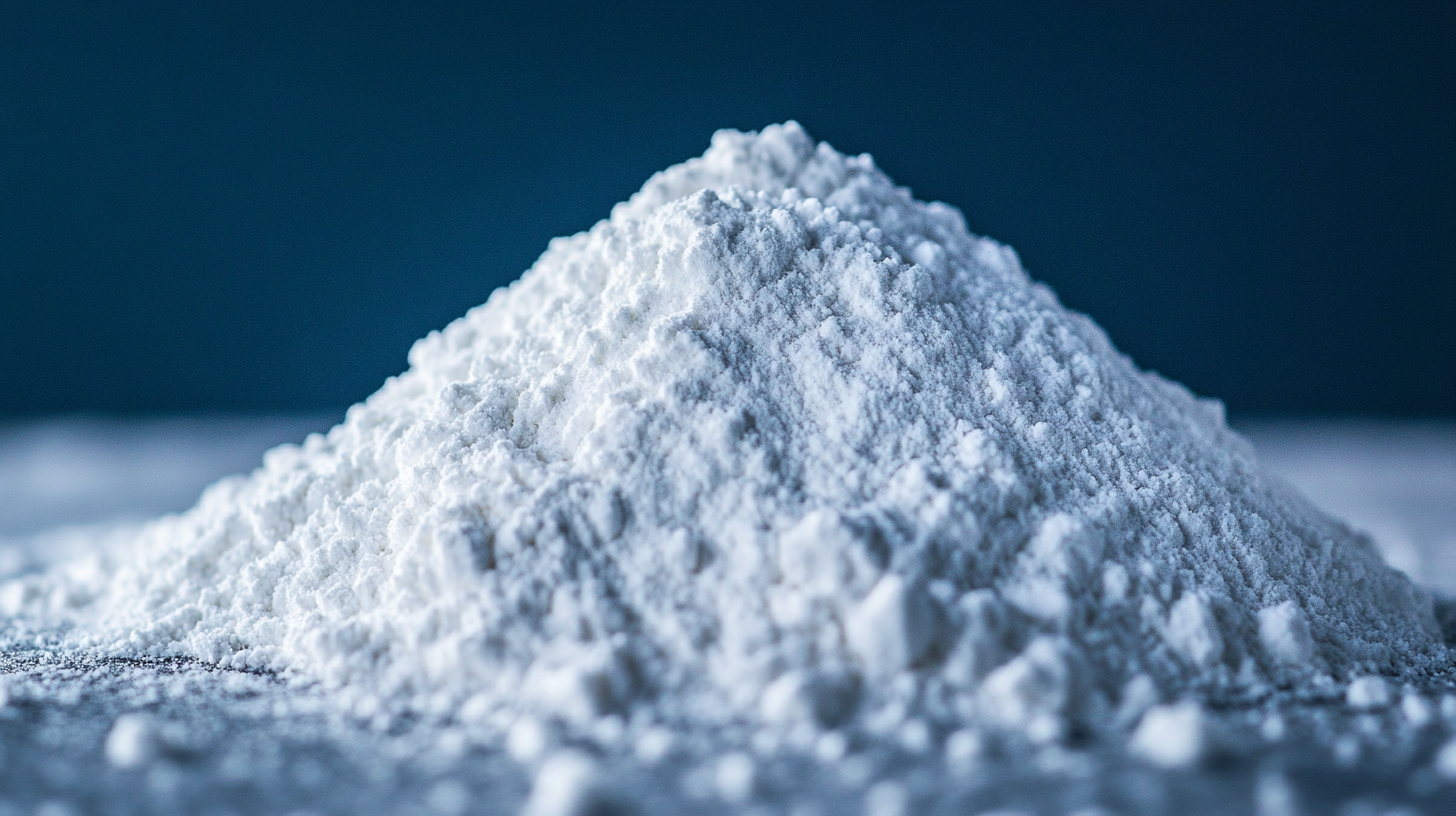
Unlocking the Potency of Best Azelaic Acid Powder through Technical Specifications and Industry Insights

Understanding Azelaic Acid: Properties and Benefits in Skincare Formulations

So, let's talk about azelaic acid. It's a natural dicarboxylic acid you'll find in grains like barley and wheat, but it’s really making waves in the skincare world for all the right reasons. A report from the American Academy of Dermatology highlights how effective azelaic acid is at tackling both acne and rosacea. It’s got these fantastic anti-inflammatory properties that really help calm down redness and irritation, which is why it’s often recommended for folks with Sensitive Skin. When it comes to formulations, you’ll usually see azelaic acid hanging out at concentrations between 10% and 20%. That sweet spot allows it to work wonders without making your skin freak out.
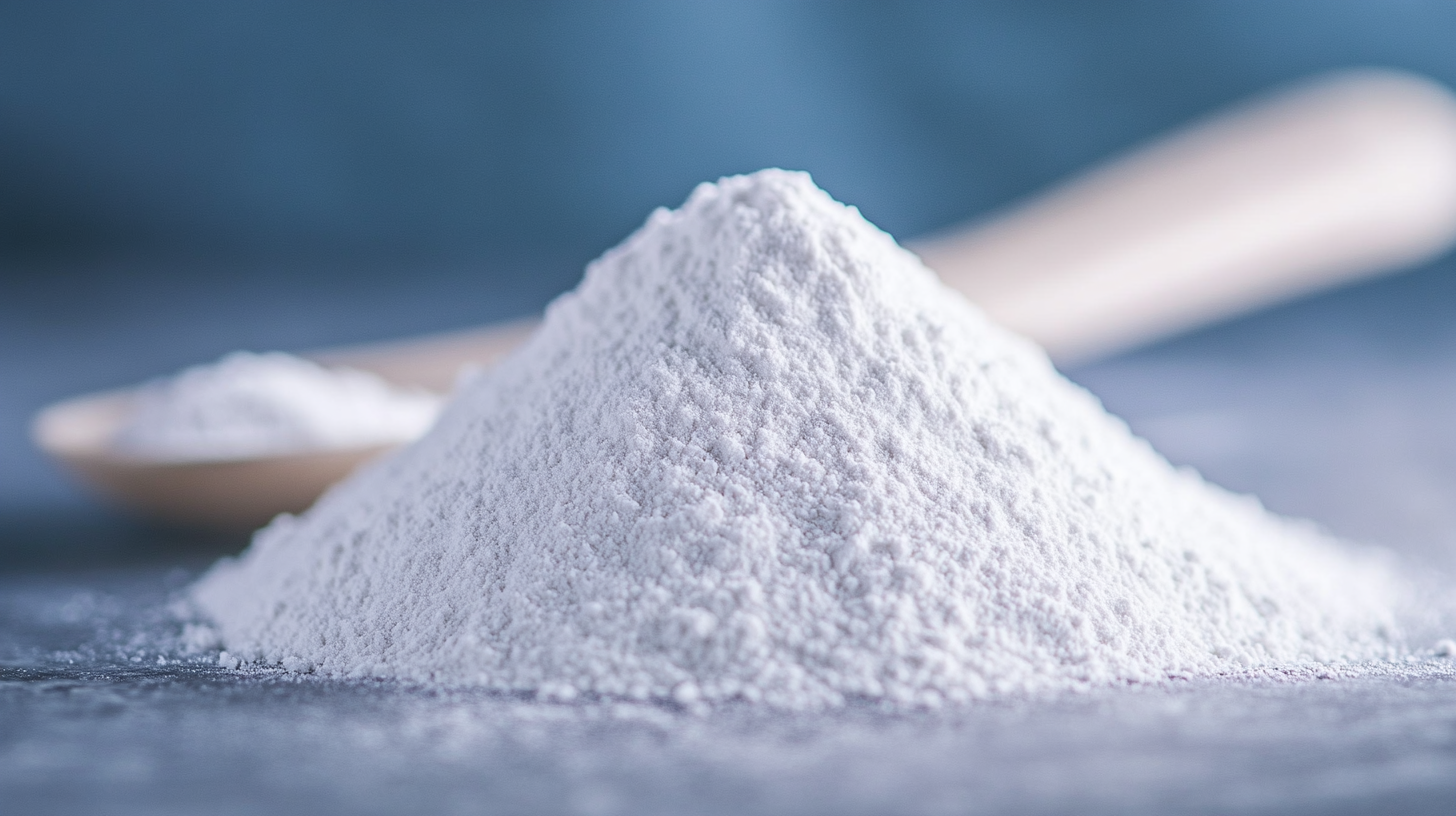
Unlocking the Potency of Best Azelaic Acid Powder through Technical Specifications and Industry Insights

But that's not all—this powerhouse ingredient also does wonders for your skin’s texture and tone! A study from the Journal of Clinical and Aesthetic Dermatology even pointed out its ability to diminish hyperpigmentation by blocking the activity of tyrosinase, an enzyme that plays a big role in melanin production. That means it’s a staple in brightening products too. And with more and more people leaning towards natural and multifunctional skincare ingredients, the azelaic acid market is expected to grow at around 8.5% each year from 2021 to 2028. So yeah, it’s definitely in demand and it’s clear why—its benefits are backed by science and it knows how to tackle a range of skin issues!

Evaluating Industry Standards for Azelaic Acid Production and Quality Control

Unlocking the Potency of Best Azelaic Acid Powder through Technical Specifications and Industry Insights You know, when we think about the standards for making and checking the quality of azelaic acid, it really boils down to the specifications that drive its production. The purity of azelaic acid is super important. I mean, the higher the purity, the better it works in skincare, especially for folks dealing with acne or rosacea. So, it’s essential for manufacturers to stick to those stringent guidelines laid out by regulatory bodies to make sure that what they’re producing is not just effective but also safe for everyone using it.

Manufacturers can really benefit from adopting some solid testing protocols throughout the production stages. Like, keeping an eye on raw materials and the final products regularly helps them stay in line with the quality standards. Plus, putting some money into cutting-edge technology for synthesis can really up the game when it comes to consistency and potency in the end products.

And let’s not forget—quality control isn’t just about checking things off a list; it also needs to include comprehensive documentation and traceability. This stuff is crucial for keeping everything accountable in the supply chain. It not only looks out for consumers but also helps build a brand’s reputation in such a competitive cosmetic and pharmaceutical world. By really prioritizing these industry standards, manufacturers can unlock the full potential of azelaic acid, which is a win-win for the industry and consumers alike.

Comparative Analysis: Different Types of Azelaic Acid Powders on the Market

You know, in the world of skincare, azelaic acid has really been making waves lately. It's become a bit of a superstar, thanks to its many benefits. Because of this buzz, there are now all sorts of azelaic acid powders popping up on the market. When you dive into a side-by-side comparison, you’ll find that these options not only differ in their chemical makeup but also pack varying levels of effectiveness and uses in dermatology. It’s pretty wild, but recent studies show that the demand for specialized skincare ingredients is on the rise – it’s kind of in sync with the growth we’re seeing in similar markets. For instance, the ethylene acrylic acid copolymer market is booming, and it’s expected to hit a whopping $4.9 billion by 2033, with a steady growth rate of about 6.7% each year from a projected $22.7 billion in 2024.

Now, about those different azelaic acid powders – they can differ quite a bit in terms of purity and how they’re stabilized. These factors really matter since they directly affect how well these powders work against acne and hyperpigmentation. Things like particle size and solubility can make a big difference in how seamlessly these powders blend into various formulations. That’s why selecting high-quality products is key for getting the best results. As folks are becoming more savvy about skincare ingredients these days, brands really need to step up their game and offer clear information about the technical specs of their azelaic acid powders. It’ll help them keep up with the demands of savvy shoppers who know what they’re looking for.

Key Technical Specifications for High-Quality Azelaic Acid Powder

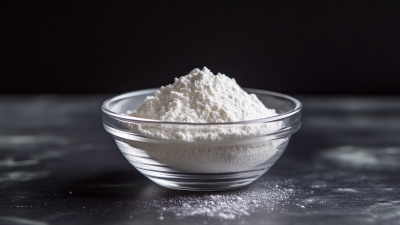
Alright, so when you're diving into the world of azelaic acid powder, there are a few key things you definitely wanna keep an eye on. First off, purity is super important. You really want to aim for powders that are at least 99% pure azelaic acid because if there are any impurities lurking around, they can totally mess with how well the acid works on skin issues like acne and rosacea. Oh, and don't forget about particle size! Finer particles are usually better since they help with how well the powder dissolves and gets absorbed into your skin.

Now, on top of purity and particle size, the extraction method is a big deal too. Different ways of extracting can really affect how stable and effective the ingredients are. You’ll often hear about supercritical fluid extraction—this method is great because it keeps the azelaic acid doing its thing in top shape. And let’s talk safety for a sec: making sure the powder passes lab tests for heavy metals and microbial contamination is a must. This is to ensure that it’s safe for cosmetic and pharmaceutical use. By paying attention to these crucial points, both manufacturers and consumers can find the best azelaic acid products out there and really maximize their effectiveness.

Unlocking the Potency of Best Azelaic Acid Powder through Technical Specifications and Industry Insights

Specification Description Importance Standard Value
Purity Percentage of Azelaic Acid in the powder High purity ensures effectiveness 99% min
Particle Size Average diameter of powder particles Smaller particles increase absorption and efficacy 10-50 microns
Appearance Physical look of the powder High-quality powder should be a fine white or off-white color White or off-white
Solubility Ability to dissolve in liquid Influences formulation effectiveness and stability Soluble in water and alcohol
Heavy Metals Presence of harmful heavy metals Safety for consumers Lead:
Microbial Limits Amount of microbial contamination Ensures product safety and stability No pathogens/100g

Market Trends and Consumer Demand for Azelaic Acid in Cosmetic Applications

You know, the cosmetic industry has really been changing lately, especially with more brands harnessing the power of active ingredients like azelaic acid. This shift is definitely influenced by how much more aware consumers are becoming about skin health. Azelaic acid has been getting a lot of attention because it's known for its anti-inflammatory properties and its ability to lighten the skin. People are turning to it not just for battling pesky issues like acne and rosacea, but also for that glow they’re after. With many folks leaning towards more natural and organic options these days, the demand for products featuring azelaic acid—like creams, lotions, and gels—keeps climbing. It’s all part of a bigger move toward safer and more effective skincare routines.

When you look at it, the skin-lightening products market is actually pretty strong. More and more consumers are looking for options that are both safe and really work. This trend has picked up even more as lifestyle-related skin issues become more common, which is pushing the industry to get creative and use ingredients that appeal to health-conscious folks. Azelaic acid is so versatile too; you can find it in various forms, which is great because it meets different needs and helps with common concerns like pigmentation and uneven skin tone. As people start to discover all these benefits, you can bet the azelaic acid market is set to grow big time, fueled by an informed crowd that really cares about quality and effectiveness in their skincare choices.

The Role of Regulatory Compliance in Azelaic Acid Manufacturing Processes

The production of azelaic acid, a potent ingredient known for its skin-benefiting properties, hinges significantly on regulatory compliance throughout its manufacturing processes. With a projected growth rate of 6.2% in the global azelaic acid market, which could reach $1.5 billion by 2027, manufacturers must adhere strictly to the guidelines set forth by regulatory bodies such as the FDA and EMA. These regulations ensure that the quality, safety, and efficacy of azelaic acid are maintained, providing consumers with reliable products that meet industry standards.

Furthermore, compliance with Good Manufacturing Practices (GMP) is crucial in the production of azelaic acid. Data from the International Society for Pharmaceutical Engineering indicates that businesses maintaining high compliance levels experience a 25% reduction in product recalls and quality-related issues. This compliance not only protects consumers but also enhances the reputation of manufacturers in a competitive market. As companies navigate the complexities of regulatory landscapes, the focus on technical specifications and quality assurance continues to drive innovations, fostering a sustainable future for azelaic acid products in cosmetics and pharmaceuticals.

FAQS

: What is azelaic acid and where is it found?

: Azelaic acid is a dicarboxylic acid naturally found in grains like barley and wheat.

What skin conditions can azelaic acid effectively treat?

Azelaic acid is recognized for its ability to treat acne and rosacea effectively.

What are the benefits of using azelaic acid in skincare formulations?

Azelaic acid has anti-inflammatory properties that help reduce redness and irritation, making it suitable for sensitive skin. It also enhances skin texture and tone and reduces hyperpigmentation.

What concentrations of azelaic acid are typically used in formulations?

Azelaic acid is typically used at concentrations between 10% to 20% in skincare formulations.

How does azelaic acid reduce hyperpigmentation?

Azelaic acid reduces hyperpigmentation by inhibiting tyrosinase activity, an enzyme involved in melanin production.

What is the projected market growth for azelaic acid in skincare?

The global azelaic acid market is projected to witness a CAGR of 8.5% from 2021 to 2028.

How do different types of azelaic acid powders vary in the market?

Different types of azelaic acid powders vary in their chemical compositions, purity levels, stabilization techniques, and their efficacy in treating skin conditions.

Why is the technical specification of azelaic acid powders important?

Technical specifications such as particle size and solubility can influence the integration of azelaic acid powders in formulations, impacting their effectiveness.

What trend is driving the demand for azelaic acid and specialized skincare ingredients?

There is a growing trend towards natural and multifunctional skincare ingredients, leading to a robust demand for azelaic acid and similar components.

What role does consumer education play in the skincare market regarding azelaic acid?

As consumers become increasingly educated about skincare ingredients, brands must provide transparent information about the technical specifications of their azelaic acid powders to meet the demands of an informed marketplace.


Olivia

Olivia

Olivia is a seasoned marketing professional at Xi'an Aoge Biotech Co., Ltd., a leading force in the cosmetics raw materials industry. With a profound expertise in the field, she plays a pivotal role in promoting the company's innovative product line, which includes natural plant extracts tailored......
Previous The Comprehensive Guide to Finding Reliable Suppliers for Best Natural Candelilla Wax